
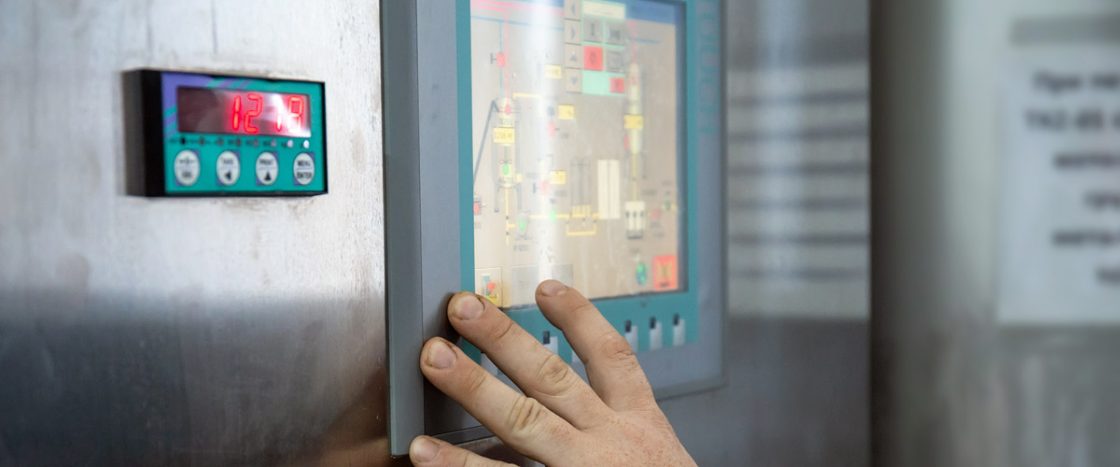
In the UK cereal processing sector, the “margin for error” is slimmer than ever. As facilities move toward higher throughputs and more complex product specifications, processing plants need to balance energy consumption, material variability, and output quality in real-time.
To maintain and improve efficiency, the industry is increasingly turning to system automation to take some of the operational responsibility off the shoulders of the workforce.
The focus on automation isn’t just about reduced reliance on the human element; it’s about augmenting it. Modern processing plants are complex environments where subtle changes in ambient temperature or grain moisture can impact production. Integrated sensors and intelligent control systems provide operators with the tools to manage this complexity effortlessly.
High-speed automation can detect and react to a potential “plug” or a mechanical surge far faster than a human could, preventing costly downtime and equipment wear.
The best plant managers have an “ear” for their machines. Advanced digital systems incorporate that experience into software, ensuring that the optimal settings for specific recipes are maintained regardless of the time of day or shift rotation.
Shifting from reactive adjustments to proactive management. With real-time data on power-to-tonnage ratios, operators can fine-tune a plant to run at peak efficiency, directly impacting the facility’s bottom line.
At Turners, we see the mechanical capacity of a machine and its digital control system as two sides of the same coin. A Kahl pellet press, for example, is a powerhouse of engineering, but the E-Control system ensures it delivers its full potential. This automation constantly adjusts press parameters to compensate for natural variability of raw materials, managing minute-to-minute fluctuations with precision.
The reality of the modern UK labour market is technical skills are in high demand across all sectors. To remain competitive, processing facilities must offer an environment that reflects the high-tech nature of the industry.
Automated “Digital Hub” style facilities make the role of the plant operator more sustainable and precise, allowing for a more focused application of skills. Teams now manage systems, rather than routinely performing repetitive manual adjustments.
As the UK processing landscape continues to evolve, the facilities that thrive will be those embracing the digital transition. Automation provides the consistency and precision manual operation simply cannot match over long periods.
By removing the “guesswork” from the production line, you allow your facility to better manage energy costs, material variability, and regulatory compliance with a level of control that was previously impossible.
Ultimately, the goal is to turn variable raw inputs into consistent outputs efficiently, compliantly, and profitably. And this is where we can help. Whether it is the supply of new, high-performance processing equipment, an audit of your existing plant to identify efficiency improvements, or the integration of intelligent controls, we support the UK’s cereal processing sector to ensure plants can meet the modern technical challenge for many decades to come.
Please get in touch if you would like to find out more.