
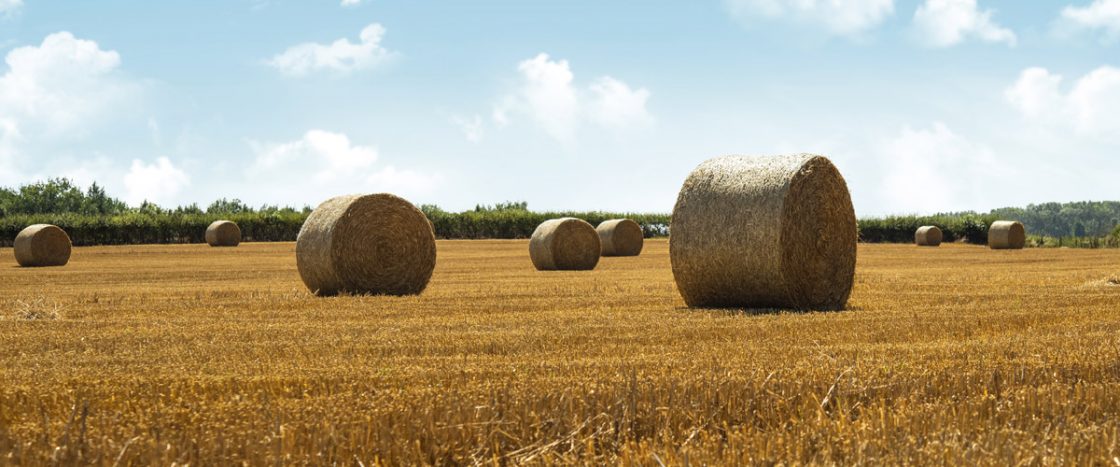
The 2025 UK harvest seems to have delivered a complex picture. On the one hand, reports suggest a remarkable comeback in milling wheat quality, with high protein and Hagberg Falling Numbers – great news for domestic flour production and reducing import reliance. On the other hand, the barley crop has been more challenging, with lower yields and high nitrogen levels, leading to increased rejections for crucial malting specifications. (See AHDB Cereal Quality Survey 2025 and analysis by Farmers Weekly.)
This contrast means UK processors are dealing with a disparity in their inputs, which translates into technical and operational demands on the plant floor.
For a processor, managing mixed quality crops is a tough challenge. When incoming materials, even those from a domestic source, are variable, the plant needs to work harder to compensate and ensure final output meets the required customer or regulatory standards.
For example, the positive wheat quality is a boon, but the regional variation in yields means logistics and material handling must be flexible enough to deal with variable volumes and specifications.
However, the major concern lies with the barley and other feed ingredients. When quality, such as screenings or specific weight, is inconsistent, it places pressure on the following systems:
Pre-Cleaning and Separation: Lower quality grain requires significantly more intensive pre-cleaning. Machinery like our Schule cleaning equipment must work harder and more efficiently to remove screenings, dust, and impurities before the material enters the production stream. If the cleaning stage is compromised, the efficiency of every subsequent process—from milling to pelleting—is reduced.
Precision Blending: When a standard specification must be met (e.g., a specific protein level for a feed ration), the processor must rely on highly accurate dosing and blending systems. With variable incoming quality, the blending operator needs to adjust recipes constantly, demanding greater precision and control from the plant’s automation and material routing systems to ensure homogeneity.
The 2025 harvest seems to confirm an ongoing trend requiring processors to invest in systems that can more readily handle widely varying material quality. They need the agility to switch between processing premium, high-quality material and challenging, off-spec crops without impacting throughput or final product integrity.
Ultimately, the goal is to turn variable raw inputs into consistent outputs, and this is where we can help. Whether it is the supply of new, high-performance processing equipment, system design and optimisation services, or comprehensive service, maintenance, and upgrades, we provide support to the UK’s cereal processing sector to ensure plants can handle unpredictability with unwavering efficiency.